Science
Explore how pupils from Primary 2 to 6 learn Science through hands-on activities, from building LEGO models to coding and field trips.
Fun Learning in Inquiry Based Science (FLIBS)
FLIBS activities are incorporated into our Science lessons from Primary 3 to Primary 6. Through FLIBS, learning of Science is more vibrant and engaging, at the same time, students experience Joy of Learning (JoL) and acquire 21CC skills. Here is a summary of the Science fun learning activities that take place during Science lessons. Pupils will experience at least 1 Life Science and 1 Physical Science FLIBS in a year.
P3 Creature Craze
In preparation for the Creature Craze competition in Primary 3, all Primary 2 pupils are engaged in gathering information of animals in their habitats and on their unique characteristics. Pupils submit their drawings, write-ups and some enthusiastic pupils submit their LEGO models too.
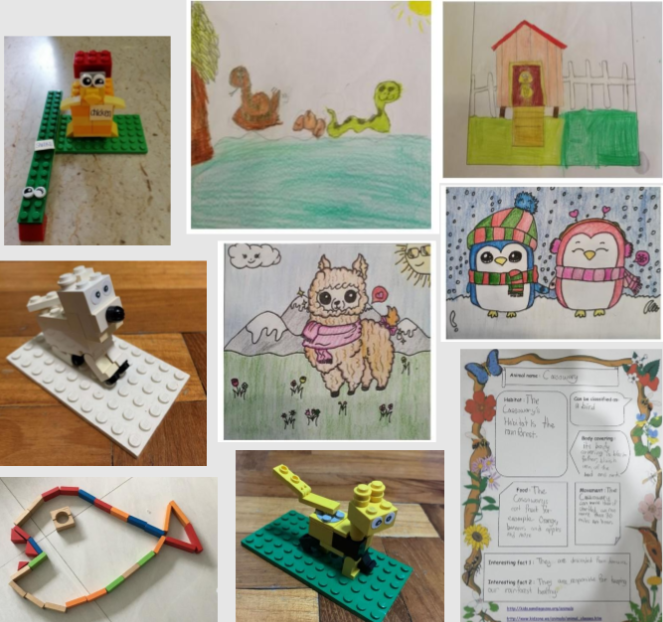
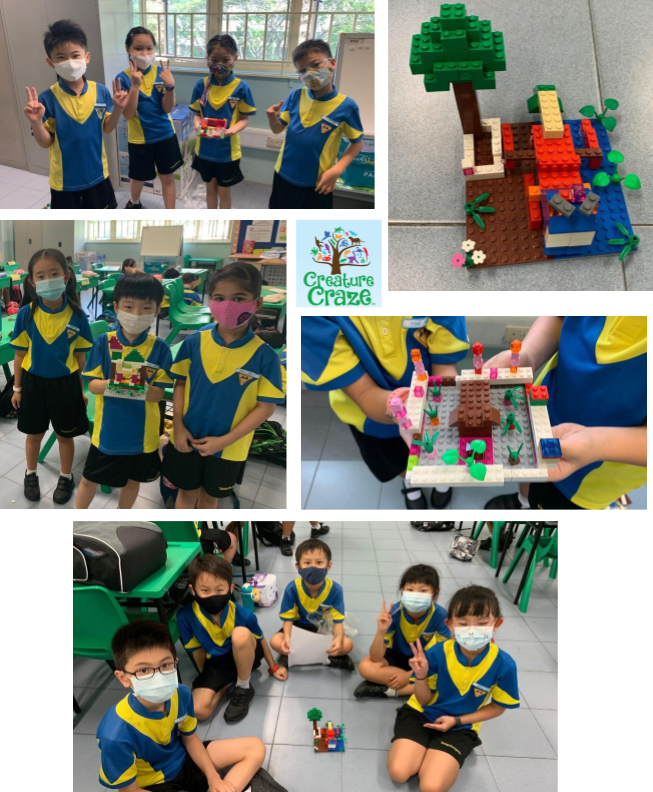
When pupils moved on to Primary 3, they consolidate their research findings and create imaginary animals with different characteristics that will enable them to survive in their habitats. They then use LEGO to build a model of their animal in its habitat. Working in teams enhance their communication skills, improve their sense of responsibility and boost their creativity
Here are some of their LEGO models:
P3 Every Child a Seed
Our Primary 4 pupils germinate seeds in small sponges and transplant them into indoor hydroponics sets that are placed outside the classrooms. After a few weeks, help to harvest the spinach. Through this activity, we hope that our pupils understand and appreciate the tireless efforts farmers put in to bring food to our dining tables. Hopefully, this helps pupils to reduce food wastage.
Here are some highlights:
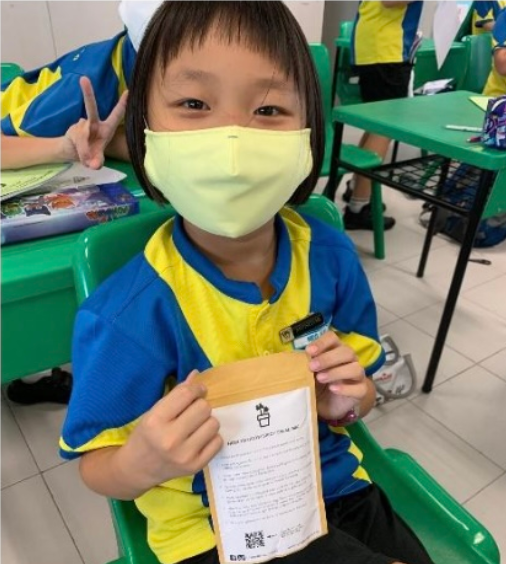
Recipient of token of appreciation from NParks
P4 Sony Creative Science Award
Sony Creative Science Award is Singapore’s largest national toy-making competition for primary school students. Our Primary 4 pupils are given the task of creating toys using recycled materials and demonstrate at least one scientific concept. Through this competition, our pupils get to engage in exploratory and skillful play with the addition of Science learning.
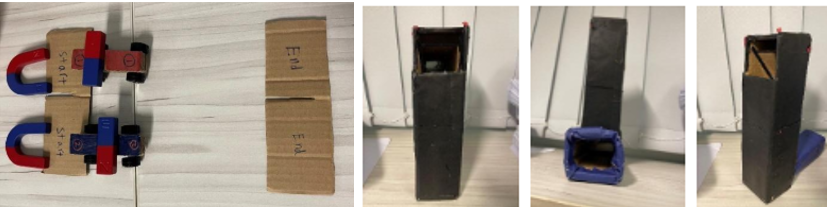
Title of the toys: The car race and The spy
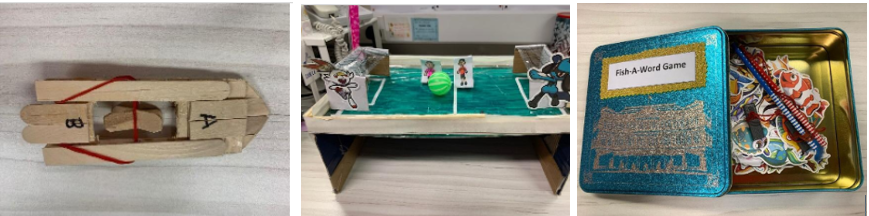
Title of the toys: Rubber-band paddling boat, Magnet soccer ball and Fish-A-Word
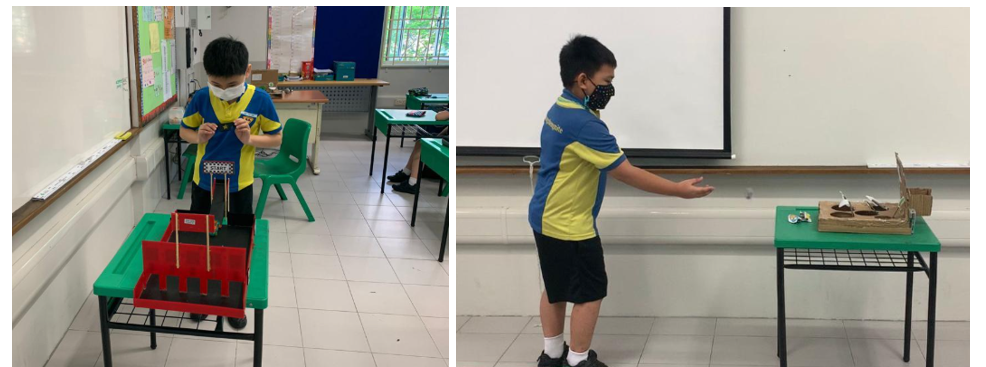
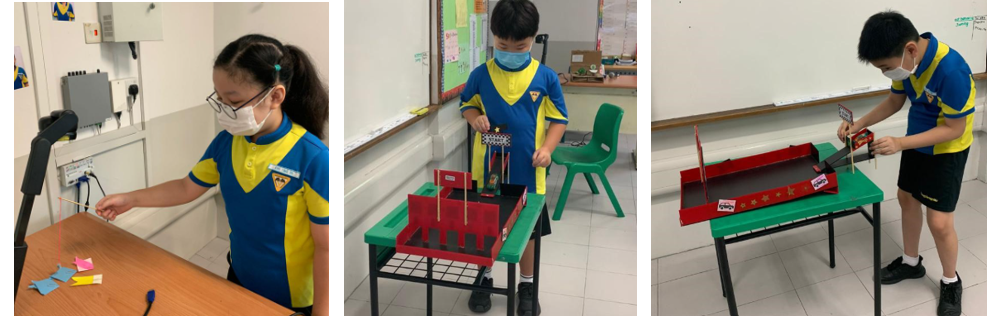
P3 pupils exploring the toys made by P4 pupils
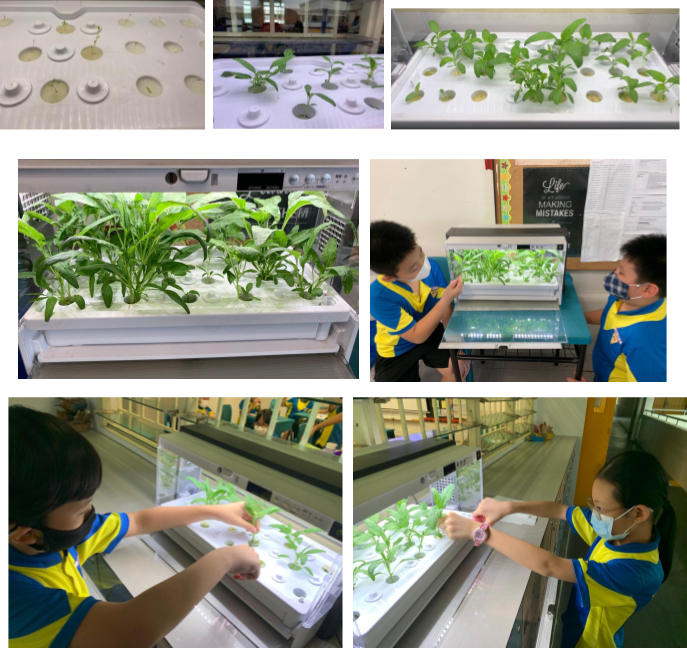
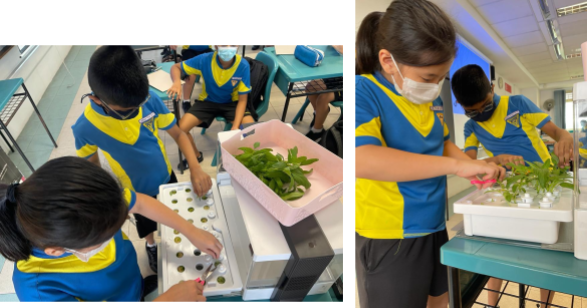
P4 Indoor Farming
Our Primary 4 pupils germinate seeds in small sponges and transplant them into indoor hydroponics sets that are placed outside the classrooms. After a few weeks, help to harvest the spinach. Through this activity, we hope that our pupils understand and appreciate the tireless efforts farmers put in to bring food to our dining tables. Hopefully, this helps pupils to reduce food wastage.
Here are some highlights:
P4 Werm Cycle
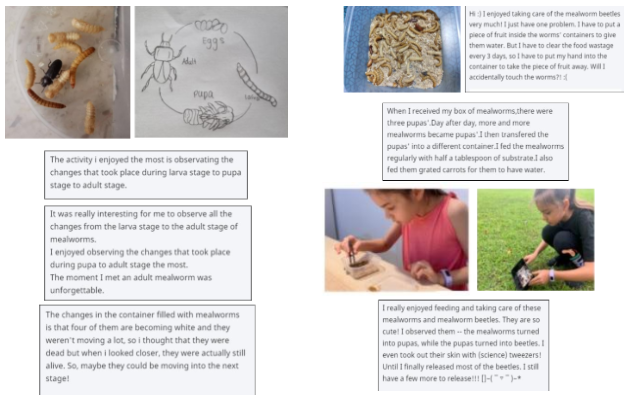
To promote a sense of responsibility as well as self-directed learning, Primary 4 pupils are entrusted with a container of mealworm beetle larva which they have to care for till the larva become adults. Pupils learn how to feed the mealworm beetle larva as they observe their growth and changes keenly.
Here are some reflections, photographs and drawings that pupils posted:
P5 Environmental Trail
Our Primary 5 pupils are given opportunities to explore nature as they learn about the characteristics of fruits and seeds. Pupils visit different stations in small groups in the school eco-garden and widen their knowledge beyond the textbook through observations of the different plant parts and fruits.
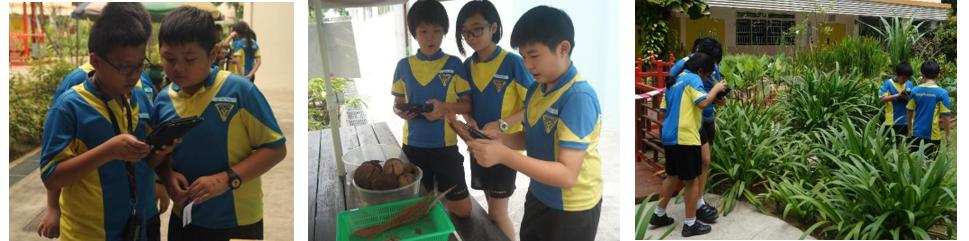
P5 pupils moving around the eco-garden on a trail, visiting a station to observe the characteristics of fruits and studying the parts of a flower
P5 Water-Testing Activity
Our Primary 5 pupils are involved in a basic water monitoring activity. Pupils use a simple test kit to test the quality of the water in our eco-garden pond. Pupils are more aware of how different water conditions affects the survival of aquatic organisms.
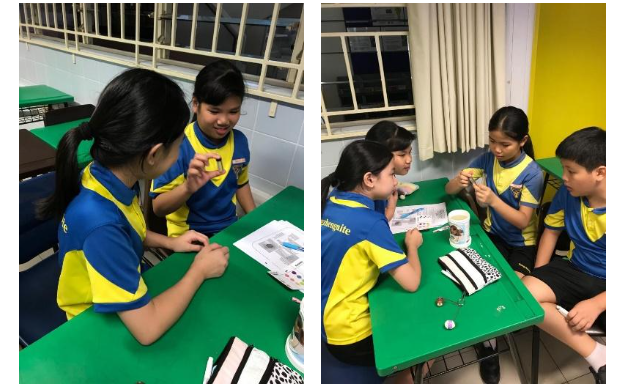
Observing the clarity of water
P5 Microbits
Our Primary 5 pupils are exposed to entry level block programming involving the pocket-sized computer; Microbit. This activity encourages creativity and invention as pupils learn entry level coding skills. This is also in line with MOE’s vision to inculcate Science, Technology, Engineering and Mathematics (STEM) learning into the curriculum.
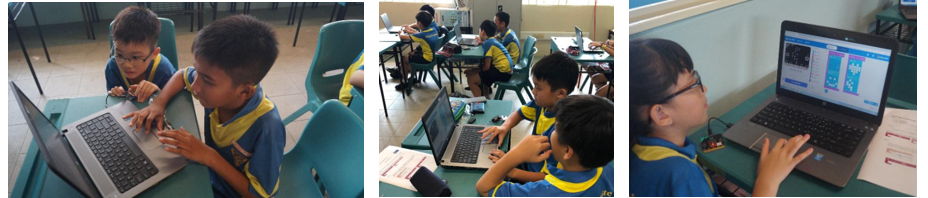
Intense focus on coding while collaborating with peers and picking up coding skills
P6 LEGO Building Blocks in Science
To create a more stimulating and fun-filled lesson, our Primary 6 pupils are provided an opportunity to apply the scientific concept they have learnt using Lego toy car. Through the building blocks activity, pupils’ problem-solving and organisational skills are enhanced. It also improves their creativity and enriches their communication and critical thinking skills.
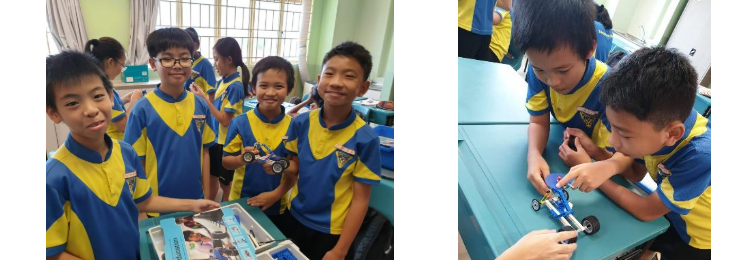
Constructing the toy car with team-mates and checking the final product
P6 Recycling Carnival
During our annual recycling carnival, our school aims to raise funds for charity through fun-filled games created by our very own Primary 6 pupils using recyclable materials. Pupils work in teams and showcase their creativity in planning and producing game items from scratch using cardboards, egg crates, cans and plastic bottles. As Yangzhengnites participated in the games and did their part to raise funds for the Singapore Children’s Society and Children’s Cancer Foundation.
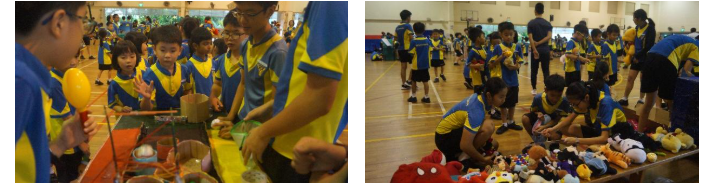
One trying his best at aiming right while other are waiting anxiously for their tokens
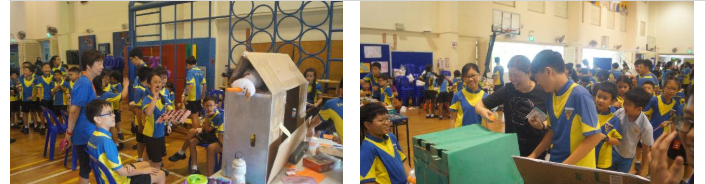
Throwing coloured balls into holes. Everyone loves carnival games!
P6 Learning Journey to Lee Kong Chian Natural History Museum
Our Primary 6 pupils have a meaningful educational learning journey to Lee Kong Chian Natural History Museum. Pupils explore the vast diversity of biological life and the dynamic interactions between the living things in various habitats. They are also exposed to the rich natural history and heritage in Singapore.
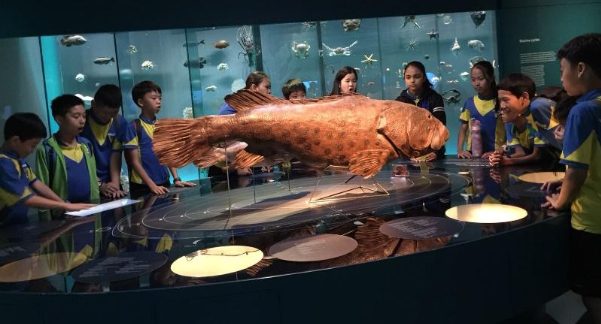
Observing a life-size specimen in the gallery
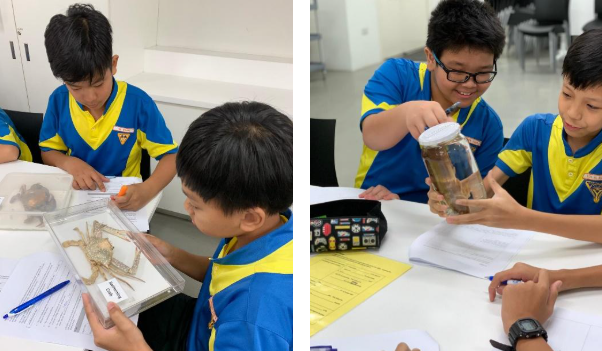
Close-up observations of specimens